
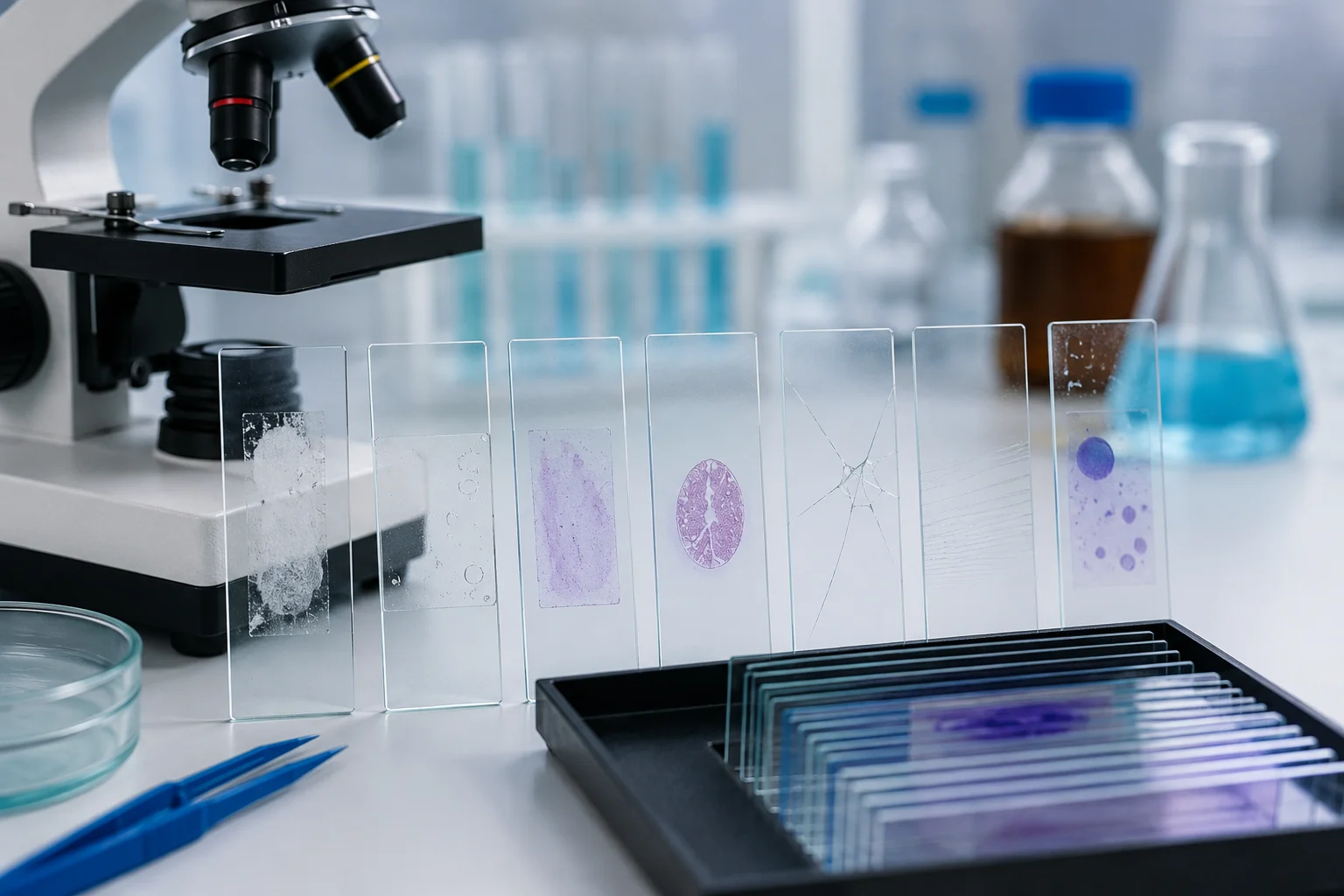
Accurate laboratory analysis begins with the quality of the materials used during sample preparation. Microscope slides play an important role in diagnostics, pathology, and research by providing a stable surface for specimen examination. Even small defects can affect staining quality, image clarity, and the accuracy of microscopic observations.
Poor-quality slides may lead to uneven specimen adhesion, visual distortions, and repeat testing, affecting both efficiency and reliability. Choosing premium microscope glass slides helps minimise these issues and supports consistent results in laboratories handling routine and specialised testing.
As a trusted manufacturer, Blue Star Slides offers high-quality slide solutions that meet the needs of diagnostic, research, and educational laboratories. Its products are designed to deliver dependable performance, helping professionals achieve accurate results with confidence.
Why Quality Matters in Microscope Slides
The quality of microscope slides directly impacts the accuracy and reliability of laboratory work. Whether used for diagnosis, research, or education, high-quality slides provide a stable surface for clear observation and consistent results. Reliable laboratory slides also help reduce errors and improve workflow efficiency.
- Diagnostic Accuracy
Smooth, defect-free glass slides allow proper specimen adhesion and even sample distribution. This helps laboratory professionals examine cells, tissues, and microorganisms more accurately.
- Better Optical Clarity
High-quality microscope slides offer excellent transparency and uniform thickness, ensuring clear images and better visibility of fine specimen details.
- Improved Sample Preservation
Well-manufactured laboratory slides keep specimens secure during staining, storage, and examination, reducing the risk of sample damage or loss.
- Higher Laboratory Efficiency
Reliable glass slides minimise staining issues, specimen loss, and repeat slide preparation. This saves time, reduces material waste, and supports consistent laboratory performance.
Most Common Microscope Slide Defects
Even small defects can affect specimen quality and microscopy results. Identifying these issues early helps laboratories reduce errors, avoid repeat testing, and maintain efficient workflows.
Surface Scratches
Surface scratches are common in pathology slides and are usually caused by improper handling or poor storage.
Causes
- Improper handling during production
- Friction during storage or transport
- Contact with abrasive surfaces
Effect on Microscopy
- Obstructs specimen visibility
- Creates unwanted marks in the field of view
- Affects image interpretation
Prevention
- Handle slides with gloves or forceps.
- Store them in protective boxes.
- Purchase from manufacturers with strict quality control.
Air Bubbles Inside the Glass
Air bubbles formed during manufacturing reduce slide quality and distort microscopic observations.
Causes
- Trapped air during glass production
- Inadequate quality control
Effects
- Distorts light transmission
- Reduces visibility of fine specimen details
- May lead to inaccurate observations
Chips and Broken Edges
Chipped or broken slides are unsafe to handle and can damage specimens.
Safety Concerns
- Risk of cuts
- Increased chance of slide breakage
Effects on Specimens
- Uneven specimen placement
- Cracks during staining
- Repeat sample preparation
Uneven Thickness
Variations in slide thickness affect focus and image consistency.
Common Issues
- Frequent focus adjustments
- Uneven light transmission
- Inconsistent image quality
Poor Surface Flatness
An uneven surface affects specimen mounting and image clarity.
Effects
- Optical distortion
- Blurred images
- Uneven specimen distribution
- Inconsistent staining
Contaminated Slide Surface
Dust, oil, or manufacturing residue can interfere with specimen preparation.
Common Contaminants
- Dust particles
- Fingerprints or oil
- Manufacturing residue
Effects
- Poor specimen adhesion
- Uneven staining
- Higher chances of repeat testing
Keeping laboratory slides clean and properly stored helps prevent contamination.
Low Optical Transparency
Cloudy or impure glass slides reduce visibility during microscopic examination.
Effects
- Poor visibility of fine details
- Lower image contrast
- Reduced diagnostic accuracy
Choosing high-quality microscope slides with excellent optical clarity helps laboratories achieve consistent and reliable microscopy results.
How These Defects Affect Laboratory Results
The quality of microscope slides directly affects the accuracy of laboratory findings. Defective slides can compromise specimen preparation, reduce image clarity, and increase the need for repeat testing. Even minor defects can impact the reliability of results.
- Histopathology
Clear tissue sections are essential for accurate diagnosis. Scratches, poor surface flatness, or contamination on pathology slides can affect tissue adhesion and stain quality, making microscopic examination more difficult.
- Cytology
In cytology, defective microscope slides may cause uneven cell distribution or poor staining, making it harder to identify abnormal cells accurately.
- Clinical Diagnostics
Low-quality pathology slides can lead to blurred images, specimen loss, and repeat sample preparation. This increases turnaround time and affects laboratory efficiency.
- Research Laboratories
Research requires consistent results. Poor-quality microscope slides can reduce imaging accuracy and introduce variations, affecting the reliability of experimental findings.
How Manufacturers Prevent These Defects
Reliable microscope slides are produced through strict quality control at every stage of manufacturing. Reputable manufacturers use standardised processes to ensure consistent quality and dependable laboratory performance.
- Quality Inspection
Raw materials and finished slides are inspected for scratches, bubbles, chips, and other defects before approval.
- Edge Grinding
Edges are ground and polished to make slides smooth, safe to handle, and less prone to chipping.
- Cleaning Process
Slides are thoroughly cleaned to remove dust, oil, fingerprints, and manufacturing residue, ensuring a contamination-free surface.
- Annealing
A controlled heating and cooling process strengthens the glass and reduces the risk of cracks or breakage.
- Precision Cutting
Precision cutting ensures uniform dimensions and thickness for consistent specimen preparation and easier focusing.
- Optical Inspection
Each slide is checked for optical clarity, surface flatness, and other visual defects before it is approved for laboratory use.
How Laboratories Can Avoid Using Defective Slides
Laboratories can reduce errors by following a few simple practices when handling and storing slides.
Laboratory Checklist
- Inspect before use: Check lab glass slides for scratches, chips, bubbles, or stains. Do not use damaged slides.
- Store properly: Keep laboratory slides in a clean, dry, and dust-free place to prevent contamination.
- Handle with care: Hold glass slides by the edges or use forceps to avoid scratches and fingerprints.
- Purchase from certified manufacturers: Choose high-quality microscope glass slides from trusted manufacturers to ensure consistent performance.
Following these steps helps laboratories improve accuracy, reduce repeat testing, and extend the life of their microscope slides.
Features of High-Quality Microscope Glass Slides
Choosing premium microscope glass slides is essential for accurate and consistent laboratory results. High-quality slides are designed to deliver reliable performance across diagnostic, research, and educational applications.
- Excellent Optical Clarity: Ensures clear visibility and better microscopic observation.
- Uniform Thickness: Provides consistent focus and even stain distribution.
- Smooth, Polished Edges: Improves handling safety and reduces the risk of chipping.
- Clean Surface: A quality laboratory glass slide is free from dust, oil, and residue, supporting better specimen adhesion.
- High Durability: Resists cracks and breakage during routine laboratory use.
Using reliable microscope glass slides helps laboratories improve accuracy, reduce repeat testing, and maintain efficient workflows.
Reliable Slides for Reliable Laboratory Results
The quality of a microscope slide has a direct impact on every stage of laboratory analysis. From specimen preparation to microscopic examination, defect-free microscope slides help ensure clear imaging, accurate staining, and consistent results. Choosing high-quality pathology slides also reduces the chances of repeat testing, saves valuable time, and improves overall laboratory efficiency.
For laboratories involved in diagnostics, research, and education, investing in premium microscope glass slides is a practical step towards achieving better accuracy and greater confidence in every observation. Reliable slides support dependable outcomes while maintaining high standards of quality and precision.
Blue Star Slides manufactures high-quality microscope slides designed to meet the needs of modern laboratories. With a strong focus on consistency, optical clarity, and durability, the brand helps laboratories perform with confidence. Contact Blue Star Slides today to explore its range of premium laboratory slide solutions.